

By Michael Garcia
Across the United States today, several national developments are shaping how we think about executive power, the state of the economy, and the real pressure facing everyday Americans. From the Supreme Court’s recent rulings to the latest economic indicators, here’s a breakdown of what’s happening—and why it matters.
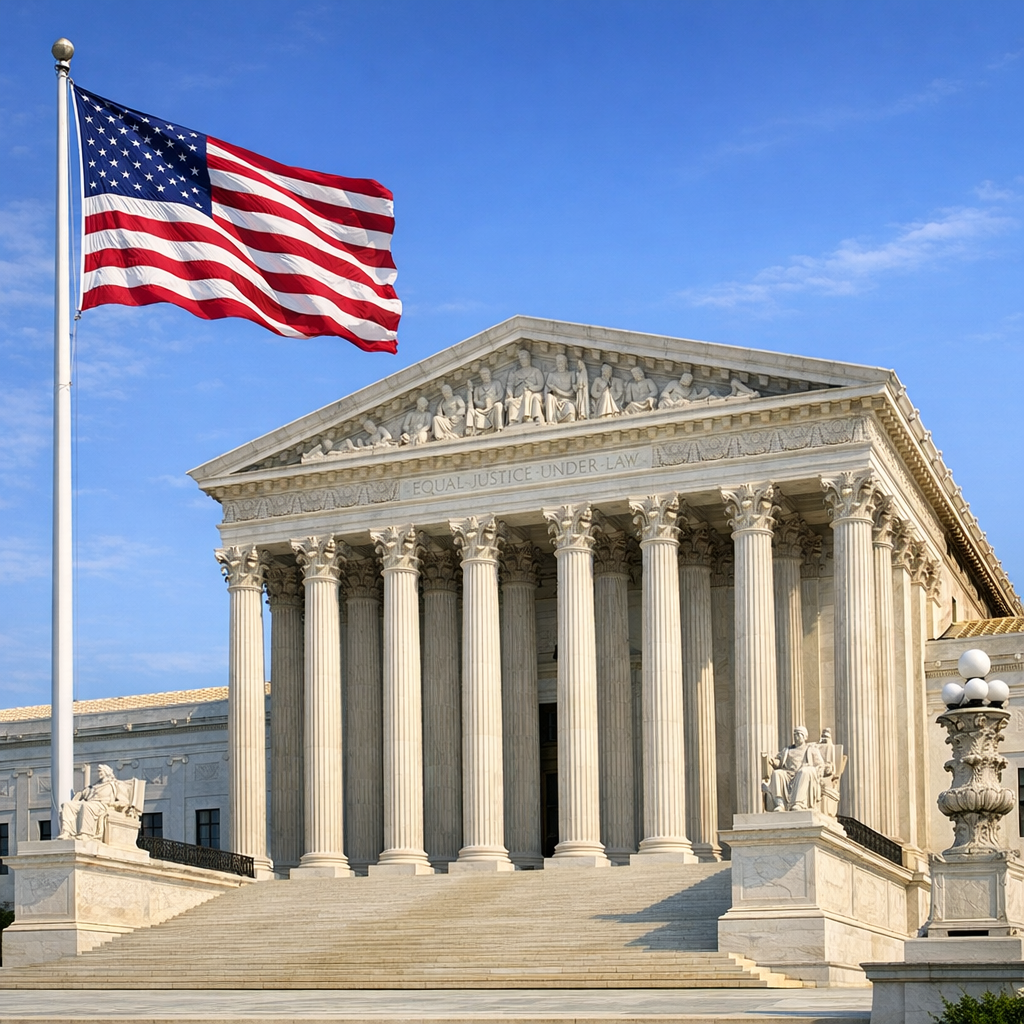
Supreme Court: Expanding Power, But Not Without Limits
In a term marked by high stakes rulings, the U.S. Supreme Court has reinforced some of the president’s authority while rejecting others—signaling a nuanced recalibration of power in Washington.
- Presidential removal of independent agency officials: The Court allowed for presidents to fire members of independent government agencies more freely than past precedent allowed. This expands executive control over parts of the federal bureaucracy.
- Birthright citizenship holds strong: In a direct challenge to attempted changes via executive order, the Court reaffirmed that children born in the U.S. are guaranteed citizenship—protecting a constitutional right tied to the 14th Amendment.
- Tariffs and checks on executive reach: Several high-profile policies from the administration—tariff programs being among them—were struck down when the Court found that Congress had not granted the necessary authority.
Economy: Growth, Tight Labor Market, and Rising Prices
While judicial checks dominate headlines, America’s economy is undergoing powerful shifts with inflation, labor conditions, and business activity sitting center stage.
- Business activity surges: A recent composite PMI reading hit its highest point in over five years, driven by demand and output across manufacturing and services. Supply chain constraints are weighing down the ability to keep up—and those strain points are feeding into higher prices.
- Inflation holds firm: Consumer prices rose by 3.4% over the past year as of August. Month to month, headline inflation showed signs of acceleration, especially fueled by energy and housing costs. Core inflation, excluding those volatile components, remains elevated.
- Labor market remains tight: Unemployment stayed at about 4.1% in August, an indication that many who want work are finding it. But job growth has slowed, with nonfarm payrolls shedding over 20,000 jobs in July—an unexpected dip in an otherwise resilient market.
What It Means for Texans and the Nation
For folks in Denton and elsewhere in Texas, these developments have immediate ripples:
- Everyday costs are rising. Inflation pressures, especially in housing, food, and transportation, make it harder for families to stretch paychecks.
- Executive decisions face more legal scrutiny. If you’re watching how government agencies are run, how elections are handled, or how immigration and citizenship laws evolve, recent court rulings will have long-term impact.
- Policy and politics are intertwined. A tight labor market strengthens claims for higher wages and social services, but inflation and interest rate concerns may complicate how Congress and the Fed respond.
As America heads into the coming months—with midterms and policy debates ahead—these ongoing trends will shape questions of power, fairness, and economic well-being. Stay tuned: the ground is shifting beneath many of the institutions and norms we once took for granted.