

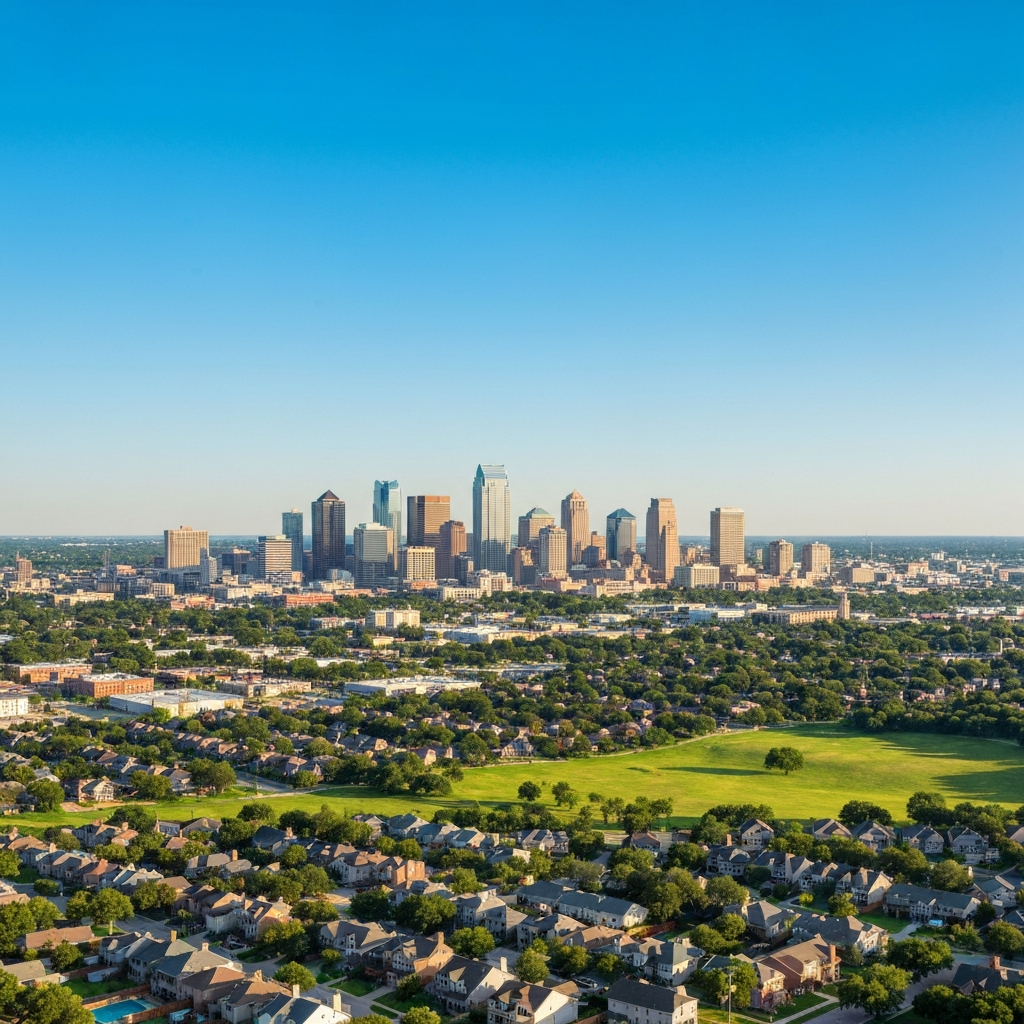
Denton, Texas, experiences a humid subtropical climate characterized by hot summers and mild winters. Understanding these patterns can help residents prepare for seasonal changes and participate in local environmental initiatives.
Seasonal Climate Overview
Spring (March to May)
Spring brings warming temperatures and increased rainfall. Average high temperatures rise from 67°F in March to 83°F in May, with precipitation peaking around 4.81 inches in May. This season is ideal for outdoor activities but also marks the beginning of the severe weather season, including thunderstorms and occasional tornadoes.
Summer (June to August)
Summers are hot and humid, with average highs reaching 96°F in July and August. Rainfall decreases compared to spring, averaging around 2.06 inches in July. Residents should take precautions against heat-related illnesses and stay hydrated during outdoor activities.
Fall (September to November)
Fall sees a gradual cooling, with average highs dropping from 89°F in September to 67°F in November. Rainfall remains moderate, with October averaging 3.85 inches. This season offers comfortable weather for outdoor events and is a popular time for local festivals.
Winter (December to February)
Winters are mild, with average highs around 56°F in January and lows near 33°F. Snowfall is rare, and precipitation averages about 2 inches per month. While severe winter weather is uncommon, occasional cold fronts can bring freezing temperatures.
Environmental Initiatives
The City of Denton is committed to environmental stewardship. In 2022, the city adopted a Climate Action Plan aiming for net-zero carbon emissions by 2050. This plan focuses on reducing greenhouse gas emissions through various strategies, including promoting energy efficiency and sustainable transportation options.
Additionally, Denton’s Solid Waste and Recycling Department, in partnership with the Wastewater Department, launched the Commercial Organics Diversion Pilot Initiative. This program collects food waste from local restaurants to produce compost and biogas, contributing to the city’s goal of diverting 30% of waste from landfills by 2030.
Understanding Denton’s climate and participating in local environmental programs can help residents adapt to seasonal changes and contribute to the city’s sustainability efforts.